
If you, or a loved one, live with Misophonia (like I do), you know it’s no joke and can make day to day life seriously challenging. There is currently no single effective treatment, which means most people end up spending a lot of time — and often a lot of money — trying different solutions (eg. earplugs or headphones) to see what helps.
After many years of trial and error, I’ve personally settled on three different types of earphones that I now rely on. Each one helps in a different way, and each suits a different situation. None of these fix misophonia. But they do reduce daily stress and frustration.
If you’re trying to decide what to buy, this breakdown is for you.
Some of the links below are affiliate links. This means I may earn a commission if you choose to buy (at no extra cost to you). I only recommend products I use myself and genuinely find helpful.
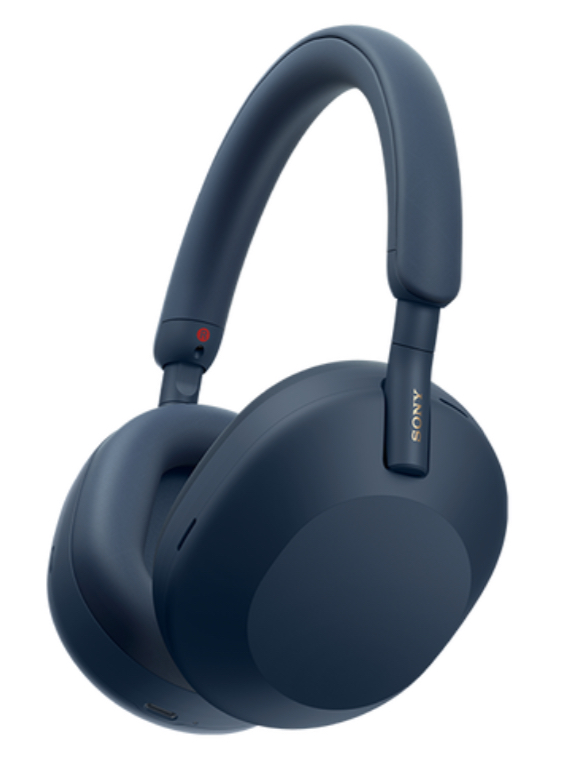
Sony WH-1000XM5
Best if you need strong control over your sound environment
See current pricing and availability
The Sony WH-1000XM5 headphones have excellent active noise cancelling, and for many people with misophonia, they’re a very effective option.
These headphones actively analyse and cancel out sound. They also offer transparency and ambient modes, allowing you to let sound in when needed. This level of control can be life changing.
The downside of these headphones is that they’re very obvious when being worn, so there are situations where it may not be appropriate to use them, like when performing customer facing roles at work. Also if you don’t like anything on top of your ears, they can start to feel heavy after a few hours of continuous wear.
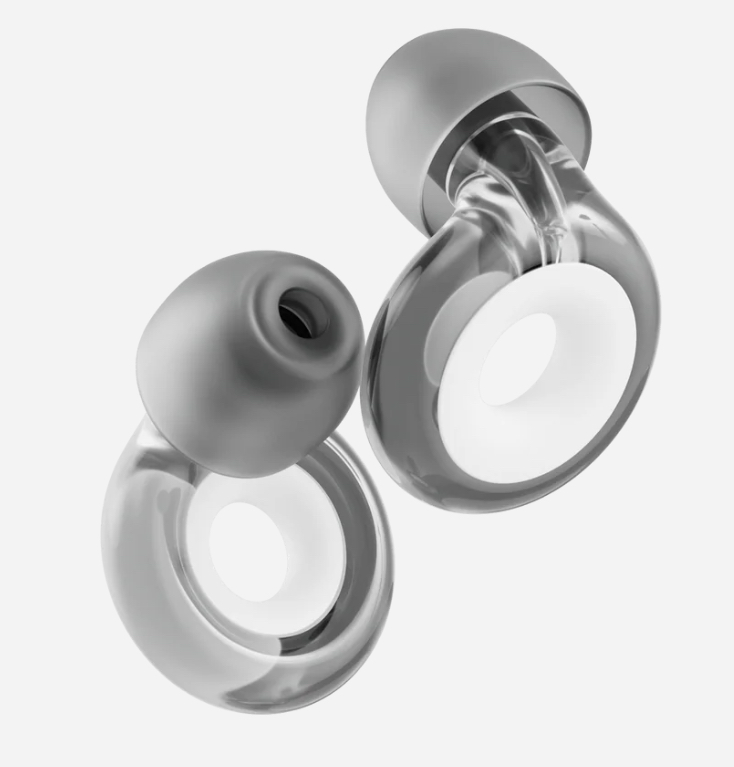
Loop Earplugs
Best for sleeping or when you need discreet sound reduction
See current pricing and availability
Loop earplugs are often the first thing people with misophonia try — and for good reason. They’re small, discreet, high quality, and come in a variety of models that offer different levels of sound filtering.
They’re comfortable enough to wear while sleeping and come in many sizes (and colours). Because they are discreet, they can be used in most situations.
The downside is that if you can’t tolerate anything in your ears, or you dislike hearing internal sounds like your own breathing or swallowing, these may not be for you.
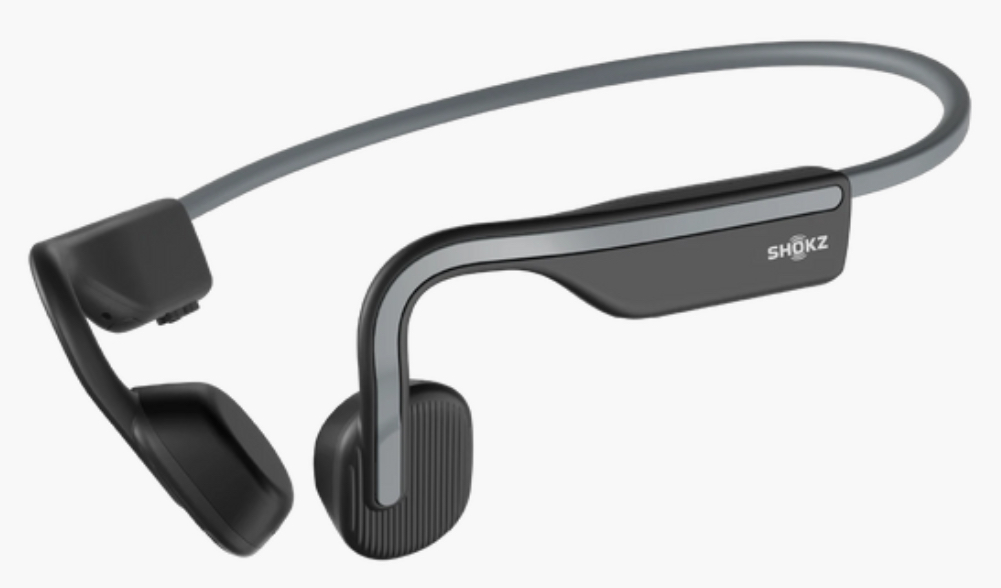
SHOKZ Bone Conduction Headphones
Best for masking triggering noise while still being able to hear
See current pricing and availability
SHOKZ headphones don’t block sound at all. Instead, they work by masking it. These are bone conduction headphones, which means sound is delivered through your cheekbones while your ears stay completely open.
You hear what’s playing, and you can still hear what’s happening around you.
Playing music, white noise, nature sounds, (or even binaural beats for productivity) can reduce how dominant a triggering sound feels, especially in environments where full noise blocking isn’t an option. For me personally, because a certain frequency of noise is my main trigger (think dripping tap type sounds) putting wind chime sounds on tends to mask the offending sounds and offer some relief.
These headphones can be particularly helpful if:
• You’re worried about not hearing someone who needs you
• You need to stay alert for safety reasons
• You feel panicky when your ears are blocked
• You don’t like earplugs or over ear headphones
They’re also fairly discreet, as they sit around the back of your neck.
Quick comparison table
| Feature | Loop Earplugs | SHOKZ | Sony WH-1000XM5 |
| Sound approach | Passive filtering | Sound masking (no blocking) | Active noise cancelling |
| Blocks external sounds | Yes/Partially | No | Yes / partially |
| Plays audio | No | Yes | Yes |
| Awareness of surroundings | Medium | High (ears fully open) | Low–medium (adjustable) |
| In-ear tolerance required | Yes | No | No |
| Over-ear tolerance required | No | No | Yes |
| Pressure / heat on head | None | Minimal | Moderate |
| Discreet | Yes | Medium | No |
| Charging required | No | Yes | Yes |



Leave a Reply